


SA's Data Hub Future: Clean Energy is Non-Negotiable
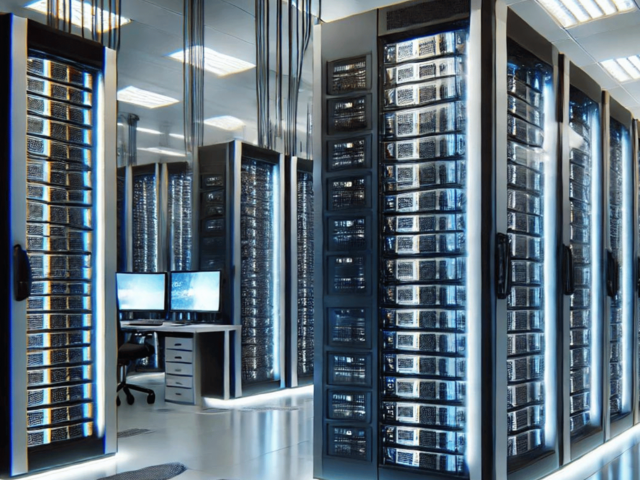
Data centres are quickly becoming pivotal to South Africa's economic growth, supporting a digital transformation that is sweeping across Africa. As critical hubs of immense computing capacity, they enable efficient data storage and processing for businesses and cloud services.
However, the significant power demands of data centres have raised concerns, as shown by a recent report that ranks Johannesburg as the sole African hub among the top ten established data centre markets in the EMEA region. These concerns are amplified by the expected surge in energy consumption due to artificial intelligence (AI) computing. Estimates suggest that by 2030, the sector could consume as much as 4% of all global energy, with recent research in 'Nature' suggesting this could reach as high as 21%. The enormity of this challenge was underscored this month when the president of Microsoft revealed to Bloomberg that the company's ambitious 'carbon moonshot' goal—announced in 2020 to become carbon negative by 2030—is at risk due to the rising power demands of AI technologies.
Considering that the SA and African data centre sector is ready for major expansion - with capacity expected to grow from 0.69 GW in 2024 to 1.23 GW by 2029 - the surge in energy consumption poses significant challenges. The associated carbon emissions and the strain on energy supply and grid capacity, already under pressure, could severely impact the sector's sustainability and growth.
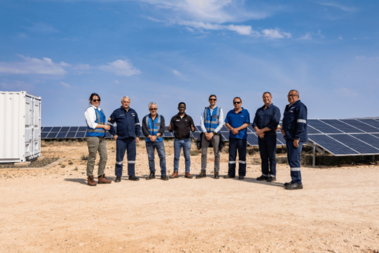
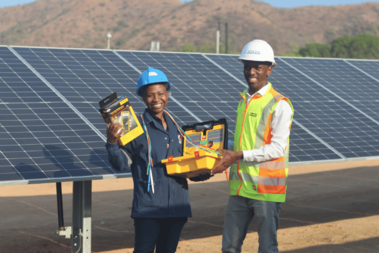
For South African data centres to thrive in the global and African markets, adopting affordable, reliable, and clean energy solutions is crucial. This strategic shift not only secures their operations but also mitigates environmental impacts, ensuring they support rather than burden our energy systems as the digital age advances. Teraco Data Environments, founded in Cape Town and now owned by NYSE-listed Digital Realty, is already rolling out significant clean energy capacity and has committed to achieving net-zero by 2035. The company has taken notable steps to achieve this goal, securing a $104 million green loan and launching several large rooftop solar PV projects. Teraco has also partnered with JUWI Renewable Energies in SA to develop a 120 MW utility-scale solar project – the largest clean energy project for a data centre in Africa. With a wheeling agreement ensuring the delivery of energy from the Free State, where the plant is located, the project will contribute significantly to powering Teraco’s operations around SA.
Likewise, major players like Amazon Web Services (AWS) and Africa Data Centres (ADC) are embracing renewable energy across their African operations. These developments are pivotal as South Africa competes with other African cities to become the data centre hub for Sub-Saharan Africa. With clean energy being a major deciding factor for global giants like Microsoft, Amazon, and Netflix, investments are more likely to flow into greener data centres located in regions with supportive regulatory frameworks for clean energy. Kenya, with its energy grid already over 80% renewable, poses strong competition, and so there is an urgent need for South Africa to enhance its clean energy capabilities to remain competitive
There is a compelling business case for South African data centres to deploy renewables, not only to stay competitive but also for significant operational cost savings. Solar energy costs have plummeted by around 90% between 2013 and 2023, whereas electricity tariffs in SA have skyrocketed over the same period. Furthermore, the frequent load shedding has forced data centres to rely on diesel generators, which are highly polluting. The integration of renewable energy, therefore, not only offsets carbon emissions but also reduces dependency on unreliable grid power. For data centres targeting net-zero emissions, diversifying into wind energy is becoming crucial, as it complements solar power, potentially providing up to 50% of their energy needs when combined with battery storage.
Ultimately, the push for clean energy in data centres aligns with broader socio-economic benefits for South Africa. As the sector expands, it promises to be a significant job creator in a country where over a third of adults are unemployed. The data centre industry demands a wide range of skills—from IT specialists to engineers and administrative staff—thereby stimulating the local economy and offering numerous upskilling opportunities. Ensuring the continued rollout of clean energy assets in data centres is not only a strategic necessity but also a potent catalyst for economic resilience and growth.
As South Africa positions itself as a leading data centre hub in Africa, the integration of renewables is essential for environmental sustainability, and fundamental for economic resilience and technological leadership. Embracing clean energy solutions enables our data centres to meet global sustainability standards and to drive regional economic growth and job creation. This commitment will ultimately determine their competitiveness and success. For South Africa to thrive as a data centre hub and to harness the full potential of the digital era, clean energy is indeed non-negotiable.