


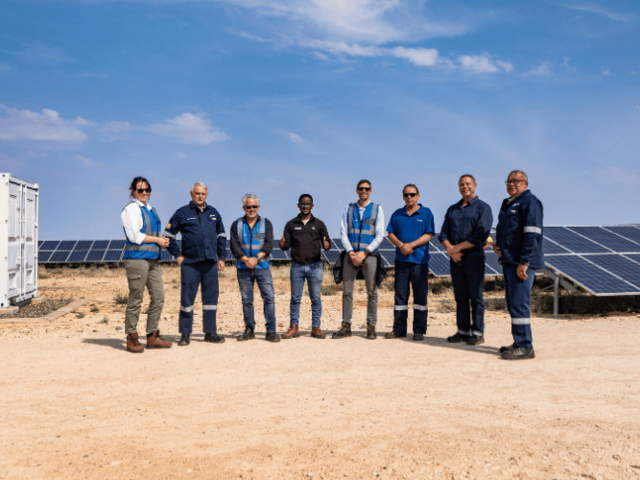
86 MW Prieska Solar Power Plant celebrates a decade of clean energy
When Prieska was built in 2016, it was one of the largest solar PV plants in Southern Africa and JUWI’s largest solar EPC project globally. Ten years later, it has generated almost 1.55 TWh of clean electricity, avoided around 711,000 tonnes of CO₂ emissions and maintained average availability of 99.1%.
The project was one of SA’s early large-scale renewable energy projects, awarded under Bid Window 3 of the SA government’s Renewable Energy Independent Power Producer Procurement Programme (REIPPPP). Now owned by ENGIE Africa and Mulilo, the plant was built by JUWI, and we’ve also been operating and maintaining it since it began commercial operations on 22 July 2016.
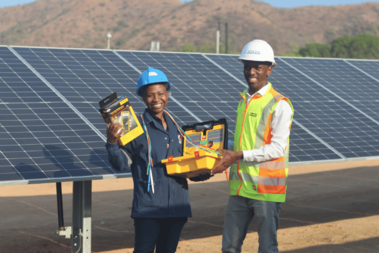
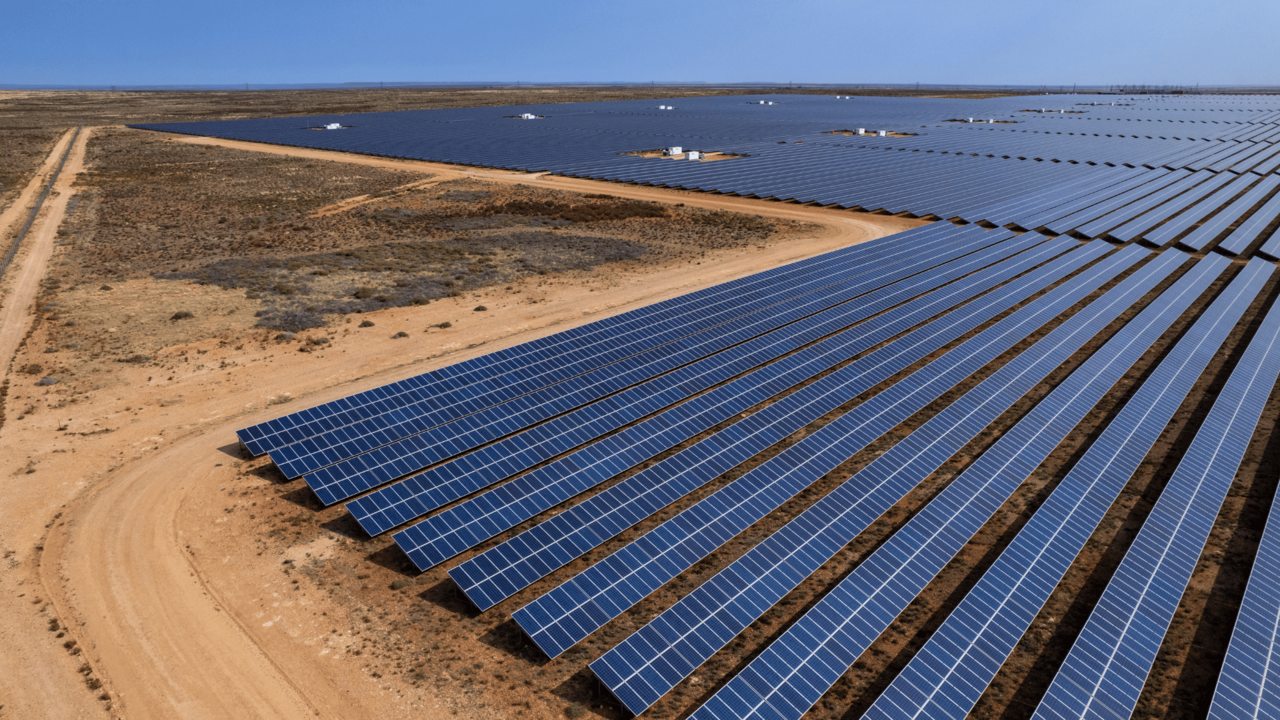
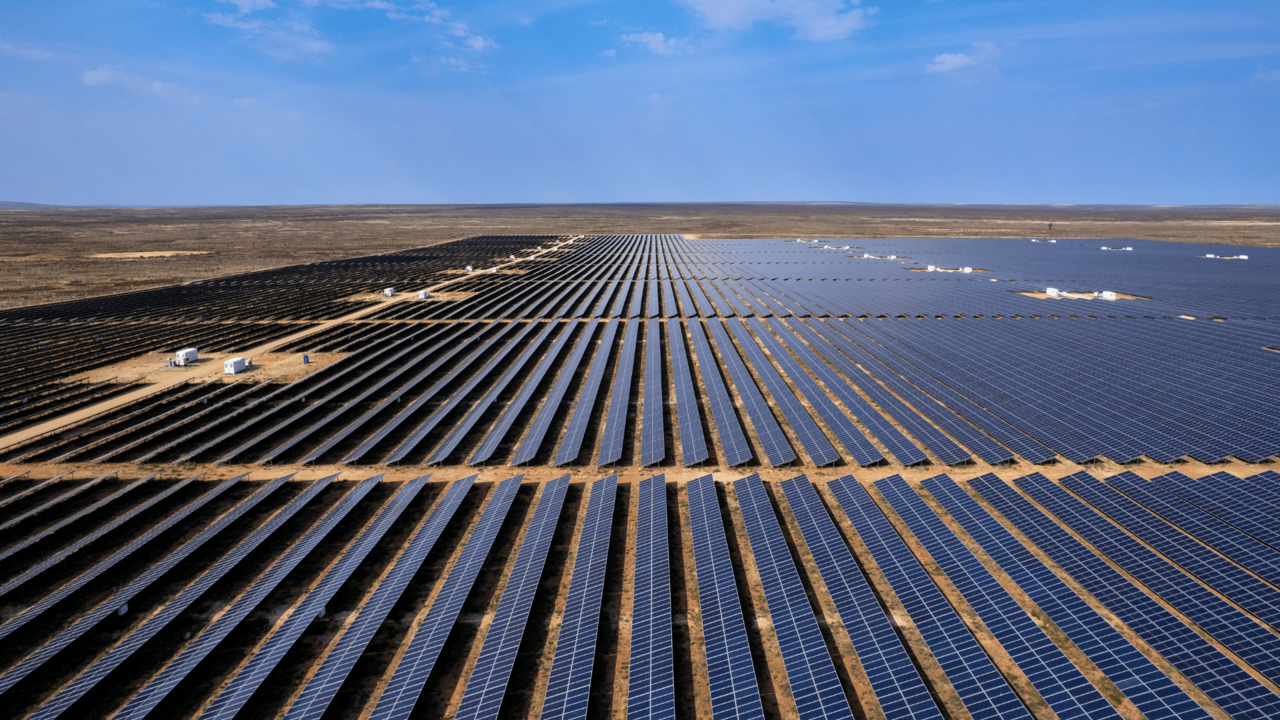
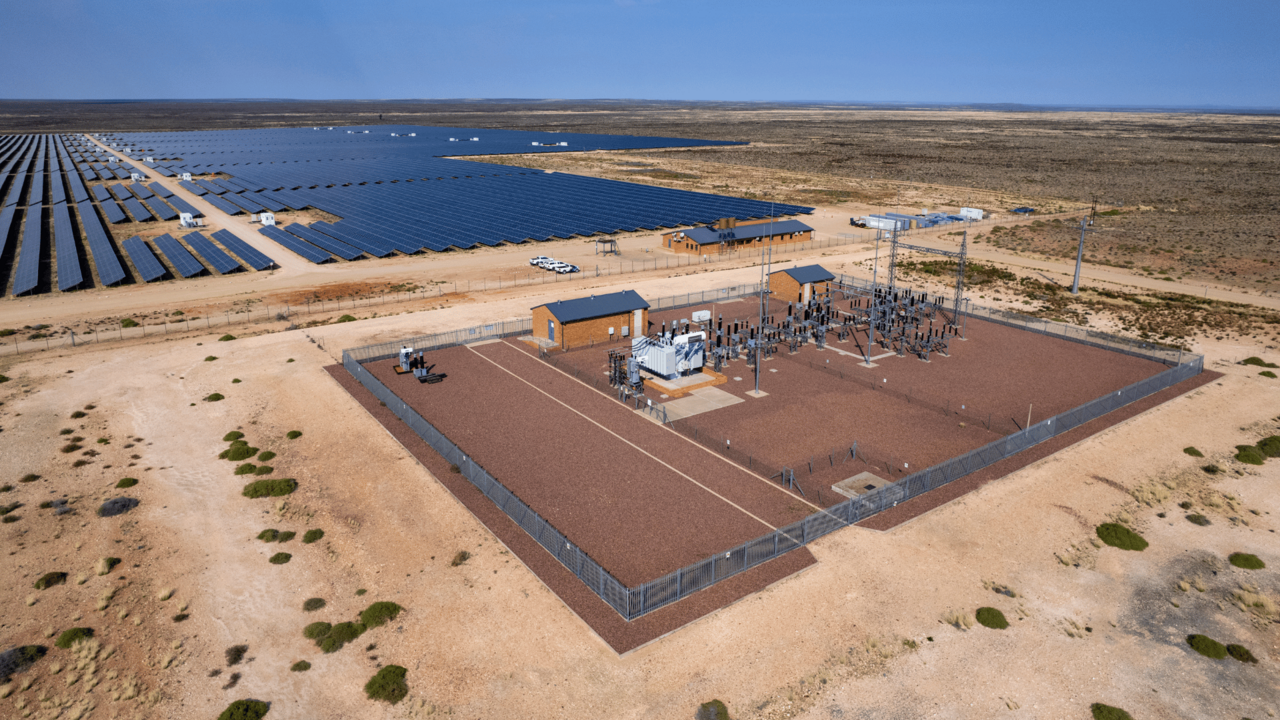
Located around 50 km south-west of Prieska in the Northern Cape, the plant covers 125 hectares, about 200 soccer fields, and comprises 275,000 solar modules connected by nearly a thousand kilometres of cable.
Building a solar plant of this scale created significant employment, with 1,720 people employed during the 14-month construction period, including 911 people from local communities.
Here’s what our MD, Richard Doyle, has to say about the news:
“For those of us who were part of SA’s emerging renewable energy industry at the time, Prieska was an ambitious project. Seeing it continue to perform so well a decade later is a reminder of the lasting value of those early investments in renewable energy.”
Part of SA’s early renewable energy story
When Prieska entered commercial operation, SA’s utility-scale renewable energy industry was still relatively young.
The first projects developed under REIPPPP had only begun supplying electricity to the grid a few years earlier. As part of Bid Window 3, Prieska was part of the early fleet of projects that helped establish utility-scale renewable energy in SA and significantly expand the amount of clean power being supplied to the grid.
A decade later, the electricity generated has been enough to supply around 40,000 homes each year for 10 years. The carbon emissions avoided are roughly equivalent to taking 155,000 passenger cars off the road for a year.
“Projects such as Prieska helped establish the renewable energy industry we have in SA today,” says Richard. “They showed that large renewable energy projects could be financed, built and operated successfully here, and created experience across the industry that has carried into the much larger projects now being developed.”
What 10 years of operating a solar plant teaches you
Over a decade of operating and maintaining Prieska, the focus of operations and maintenance (O&M) has inevitably changed. Equipment ages and teams need to plan for changing maintenance requirements, spare parts, replacements and support from equipment manufacturers.
Keeping a plant performing over this period requires teams to respond to technical challenges as they arise and adapt their approach as the plant matures. Prieska’s average availability of 99.1% over the past decade reflects the value of that long-term experience.
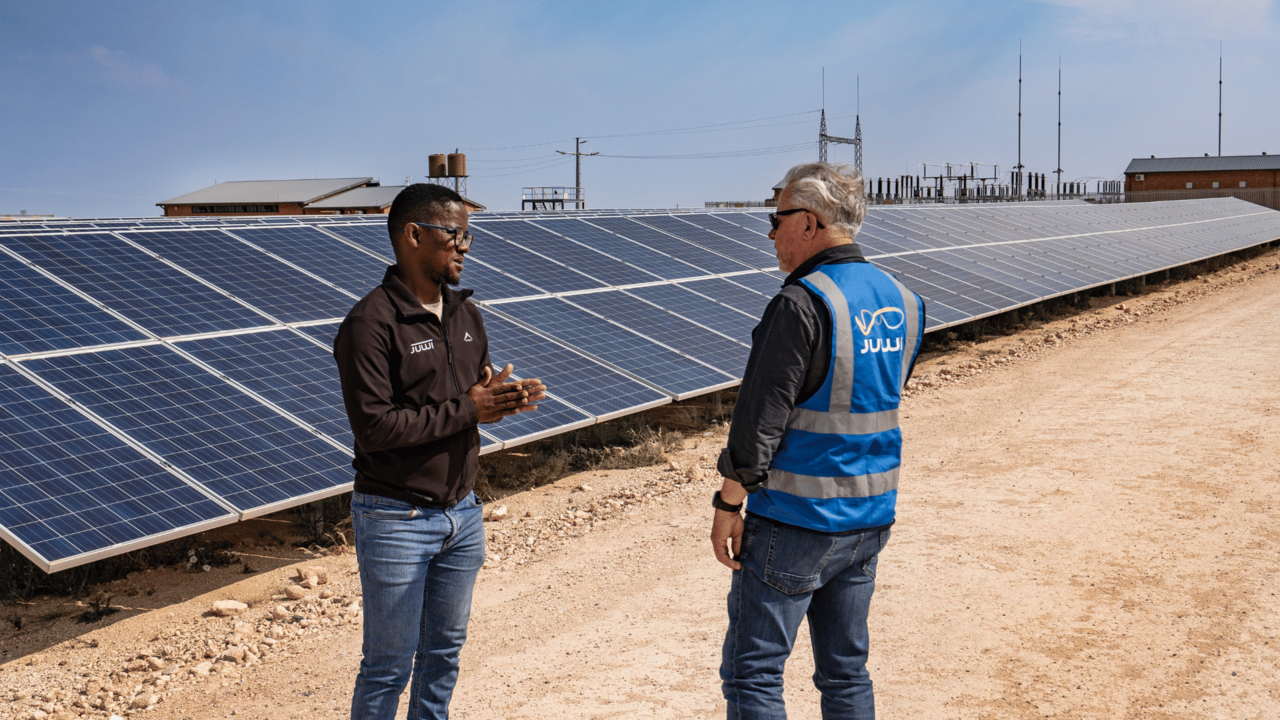
According to André Kok, Team Lead O&M t JUWI South Africa, experience becomes increasingly valuable as a plant ages.
“After 10 years, the team knows the plant extremely well. They understand how it behaves, where problems are likely to occur and how to respond when something goes wrong. That experience and continuity play an important role in keeping a plant performing over the long term.”
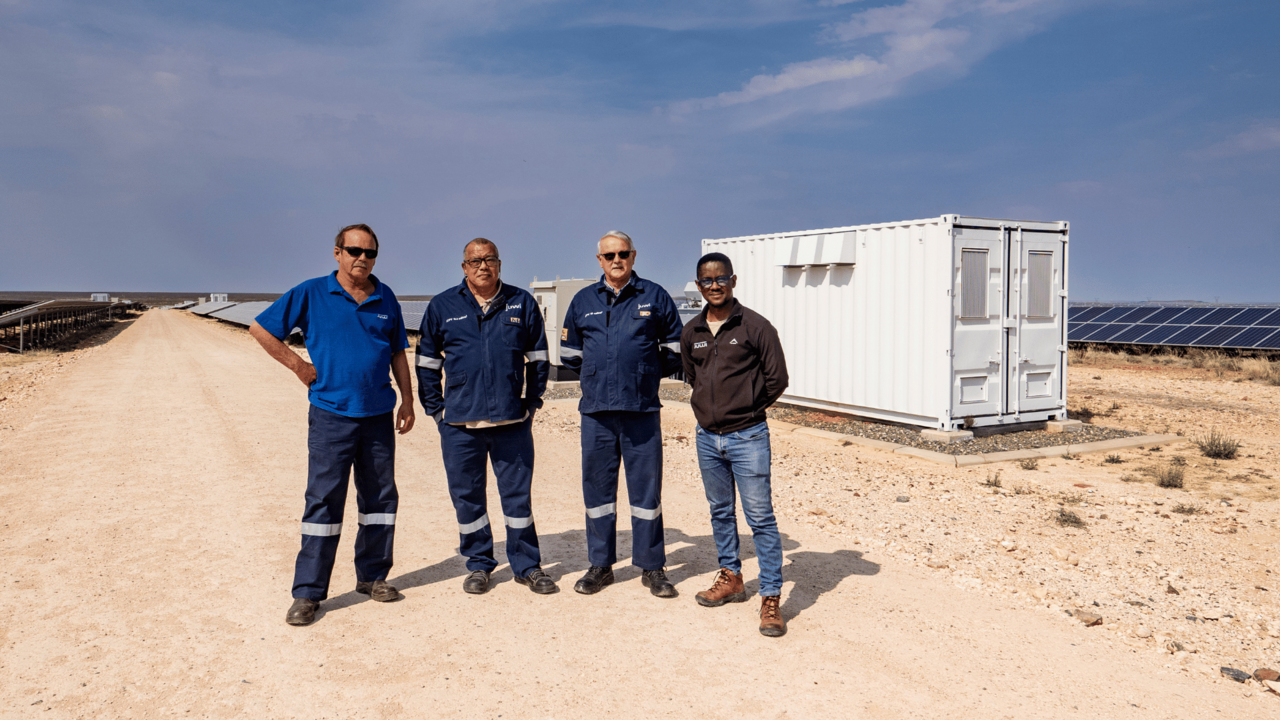
The site team jokingly refers to themselves as the “Old Toppies”. While the team members may be getting older, their years of experience have created a stable team with deep knowledge of the plant.
As André puts it: “Good O&M depends on systems, monitoring and maintenance plans, but ultimately it comes down to people. Experienced teams spot patterns, solve problems faster and build up knowledge that you simply cannot replace overnight.”
The real value of renewable energy infrastructure is delivered over decades. The early REIPPPP plants are now entering a new phase. Their contribution will increasingly be measured by how reliably they continue to generate electricity over their full operating lives.