


Africa Month: Understanding Economic Development in Renewable Energy
When thinking about South Africa’s energy transition, many picture infrastructure, investment and megawatts being brought onto the grid.
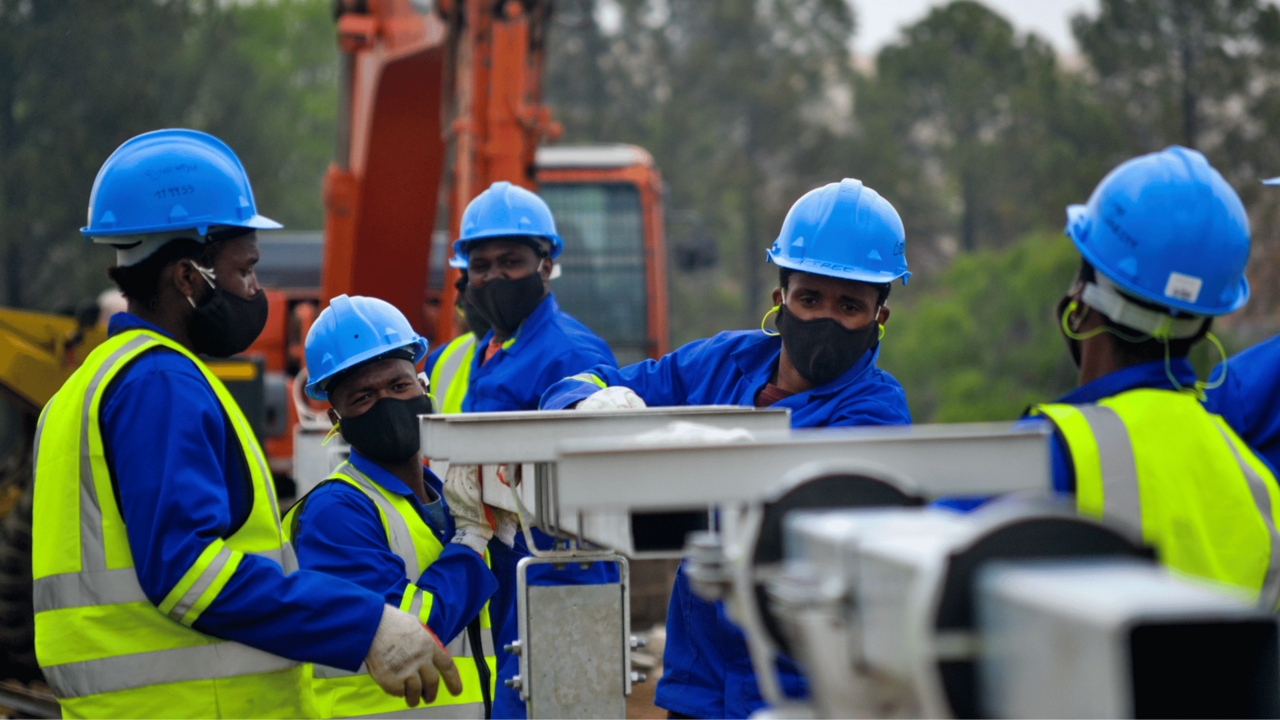
One of the less visible aspects of large-scale solar or wind projects is how the economic activity created around those developments reaches local economies, residents and businesses.
Who gets hired? Which suppliers are brought into the value chain? How are local businesses identified, assessed, brought on board and, where appropriate, supported?
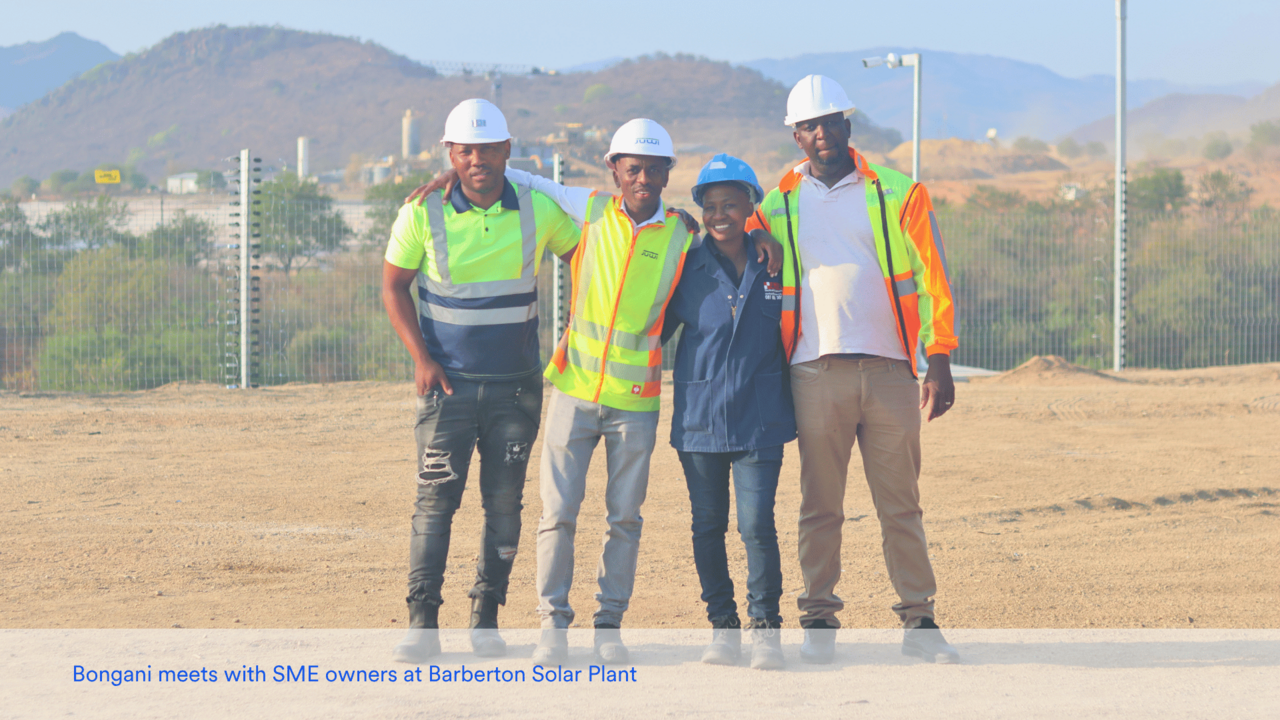
For Africa Month, we sat down with JUWI’s Economic Development Manager, Bongani Ntsele, to unpack the practical realities behind this often overlooked side of renewable energy development.
What economic development actually means
Economic development in renewable energy is not philanthropy or corporate social investment. It is a practical part of large-scale project delivery, says Bongani, shaped by South Africa’s Renewable Energy Independent Power Producer Programme and the Broad-Based Black Economic Empowerment (B-BBEE) Act and Codes as a framework.
For solar and wind projects developed under South Africa’s public Renewable Energy Independent Power Producer Procurement Programme (REIPPPP), these obligations have historically been formal and contractually embedded. Developers and contractors have needed to report against specific commitments linked to local procurement, job creation and economic participation, including opportunities for businesses and workers in surrounding communities.
As South Africa’s renewable energy market has evolved, however, a growing share of projects are now being privately procured by mines, data centres, other large energy users.
With private projects, economic development is often driven less by REIPPPP-style contractual obligations and more by a combination of commercial realities, client priorities and practical risk management. In some cases, strong B-BBEE performance remains commercially important because it affects procurement recognition and broader transformation scores. In others, clients may place greater emphasis on long-term social impact or community relationships as part of their broader corporate values or ESG approach.
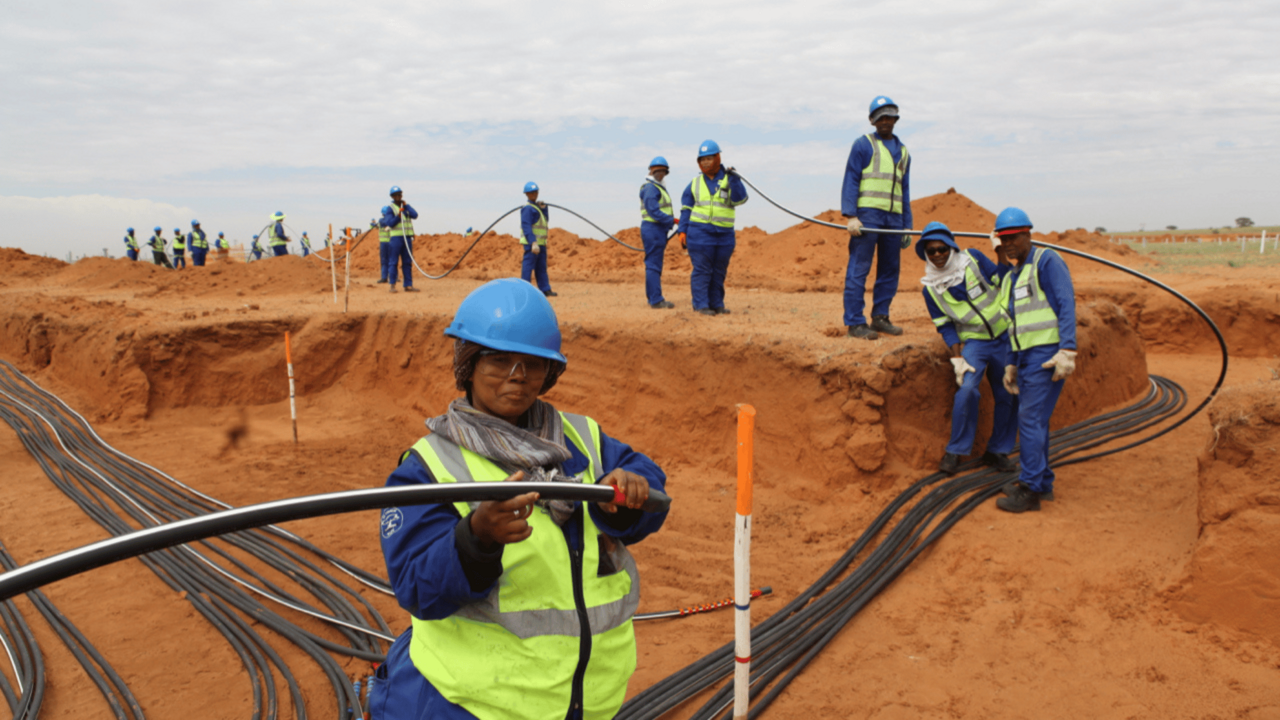
“Private projects may not carry the same economic development obligations as government projects, but the reality is that you’re still building a project that will operate for 20 years or more in communities with real expectations,” says Bongani. “If you ignore that, you create social risk. A project needs a ‘social licence to operate’ – the community's acceptance of that project.”
Economic development may look different from one private project to the next, but for experienced developers, it remains an important consideration in how projects are delivered responsibly.
Why this matters
Economic development matters in South Africa because projects are often built in communities facing economic hardship, where expectations around opportunity are high, and trust around how benefits are shared may already be fragile.
Nearly half of economically active 15 to 34-year-olds are officially unemployed, for instance. In that environment, the arrival of a major construction project naturally creates strong expectations around jobs, supplier opportunities and local participation.
“Economic development is about recognising the environment you’re operating in,” says Bongani. “You can’t come into a community, build a major asset and act as though the surrounding realities don’t exist.”
That does not mean a single project can solve structural inequality. But it does mean economic development is about more than compliance. It is part of building projects responsibly in the contexts in which they operate.
The balancing act on the ground
Creating local economic opportunity through a large infrastructure project means navigating competing pressures. While there are usually expectations around local procurement, supplier inclusion and community participation, projects need to be also delivered safely, to specification, on time and within budget.
A key challenge is that, with SA’s persistently high unemployment, “sometimes the need is much greater than what the project can realistically absorb,” Bongani explains.
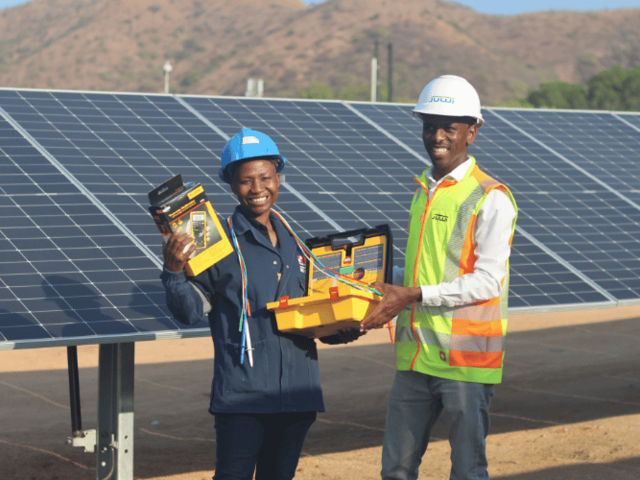
Another challenge is supplier readiness. Some local SMMEs may already be established and ready to participate. Others may need support, whether in the form of equipment, PPE, training or more general operational readiness. Some may simply not yet be in a position to take on the scale or complexity of work required on a large solar or wind project.
This creates a constant balancing act between creating as many local opportunities as possible and managing project risk responsibly.
These risks are tangible. Large infrastructure projects operate under strict health and safety requirements, quality standards, delivery timelines and contractual obligations, which means supplier capability and readiness matter. If risks are not properly managed the project can become commercially unviable, which ultimately harms everyone.
The importance of communications, transparency and the long view
Renewable energy projects often generate strong interest from surrounding communities, particularly where economic opportunities are limited.
But construction opportunities are finite, often temporary in nature, and not every role or contract can be sourced locally. That makes clear communication, transparent processes and fair opportunity especially important.
“People don’t always realise how much goes into building projects well,” says Bongani. “Communities need to understand how opportunities are created, what the processes are, and what is realistically possible. If expectations aren’t managed right upfront, that can create tension down the line.”
For Bongani, behind the scenes, proper project delivery therefore requires careful stakeholder engagement, transparent procurement processes, regulatory compliance and ongoing communication with local communities.
This matters because local tensions can quickly affect project timelines and delivery outcomes. In that context, local engagement and thoughtful procurement are not “nice to haves”, but part of responsible project execution.
As privately procured renewable energy projects become more common, JUWI increasingly works with clients to help them understand these realities, from creating procurement opportunities where feasible to encouraging meaningful engagement and taking a longer-term view of community relationships.
That longer-term view matters because renewable energy projects are not short-lived interventions. They become part of the economic and social fabric of the places where they operate for decades.
A changing market with familiar realities
For Africa Month, it is worth remembering that the energy transition is about more than infrastructure and megawatts.
Projects are built in communities, shaped by local realities, and defined not only by what they generate, but by how they benefit the people around them.
As Bongani puts it: “To power a country, you have to empower its people.”