


How load shedding may have helped to prepare SA for a world of higher fuel prices
The conflict in Iran has once again demonstrated how quickly geopolitical events can affect energy markets around the world, including ours. Imports account for all our crude oil requirements and about 81% of petrol, diesel and paraffin consumption, and our dependence on these imported fuels keep growing. Higher diesel prices affect freight logistics, agriculture, mining and industrial operations, feed through to inflation and affect the broader economy.
Diesel remains a significant part of SA’s energy system. During the height of the energy crisis, Eskom's open-cycle gas turbines burned millions of litres of diesel a day just to keep the lights on, with a diesel bill of R33 billion+ in the 2023/24. Businesses spent significant amounts on backup generation with the likes of Shoprite reporting diesel costs of around R1.3 billion in its 2023 financial year to keep running. Many mines, industrial facilities, hospitals and commercial operations also still largely rely on diesel or heavy fuel oil (HFO) generators for backup, remote or off-grid applications.
The challenge is when diesel prices rise sharply as they have in recent months, operating costs rise with them, together with global calls for and surges in renewable energy investment.
This is exactly where the legacy of our energy crisis and renewables become relevant. Years of load shedding accelerated investments in solar, battery energy storage systems (BESS) and hybrid energy systems:
- Since the introduction of NERSA's registration regime in 2018, 19 GW of private generation capacity and R389 billion in investment have been registered.
- South Africa is now also one of Africa’s advanced battery storage markets, with over 1.3 GWh of grid-scale storage installed and our utility-scale pipeline exceeding 11 GWh. (Sources: Nersa and Visual Capitalist)
The cost comparison of solar and BESS with diesel is striking. AFSIA's 2026 Solar Outlook notes that utility-scale battery storage costs had fallen to around US$125/kWh (c.R2,300-R2,400/kWh) by late 2025, while dispatchable solar, or solar-plus-storage, could be delivered for around US$76/MWh (c.R1.35-R1.45/kWh). By comparison, industry estimates suggest that diesel-generated electricity can cost more than R8/kWh (this is before the Iran war) in South African commercial and industrial backup applications, depending on fuel prices and operating conditions.
The results of incorporating renewables and storage speak for themselves:
- Increased renewable energy generation on the South African grid significantly reduced the need for electricity from Eskom’s diesel-fired peaking plants. Consequently, diesel expenditure fell by an impressive 62.46% year-on-year in 2025/26.
- While estimates vary by operation, evidence suggests that South African mines can reduce diesel consumption by approximately 40%. In contrast, lighter commercial operations can achieve significantly higher reductions, with diesel savings often exceeding 80%.
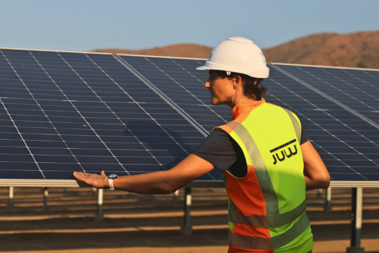
- Projects such as JUWI's 36 MW solar and 7.5 MWh battery hybrid plant at the Sukari Gold Mine in Egypt demonstrate this, with diesel consumption reduced by 22 million litres a year.
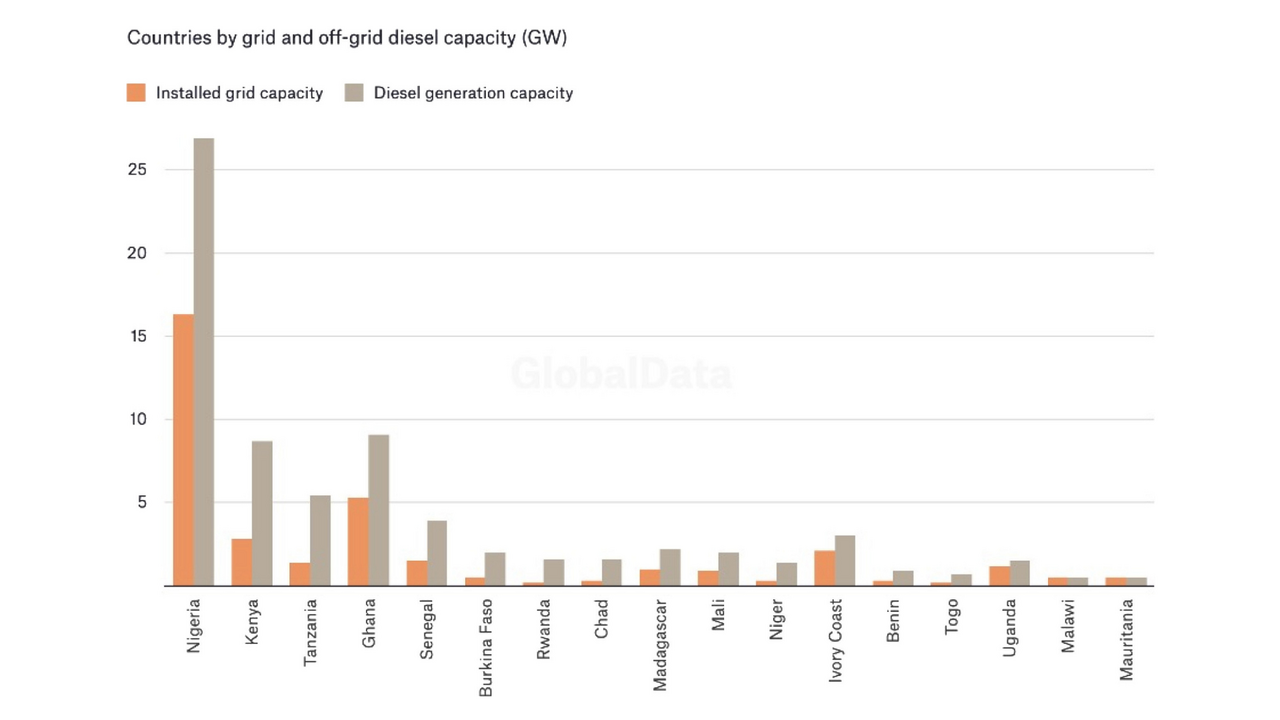
With more nascent renewables markets and less advanced grid infrastructure, other African countries are very reliant on diesel and HFO. According to the International Finance Corporation, backup generators provided an estimated 9% of total electricity generation across Sub-Saharan Africa in 2019. Wood Mackenzie estimates that by 2022, Africa had installed around 100 GW of diesel generation capacity, with 17 countries having more diesel generation capacity installed than grid-connected generation capacity (see graphic).
We clearly still have some way to go in SA and across the continent, and solar and hybrid projects cannot feasibly replace all fuel-based generation at this point. However, we’re moving in the right direction. Battery costs continue to fall, markets keep growing and, unlike imported fuels, solar and batteries do not need to pass through geopolitically sensitive geographies before they can deliver power. In addition to electricity security, cost savings and carbon reduction, they’re also providing something we may not have considered before: lower exposure to imported fuels and the risks that come with them.